Introduction
Knowing how to wash bras sounds simple, but it’s one of those things most people don’t think about until a favorite piece starts to lose its shape. And when that happens, it’s usually too late to fix. A proper cleaning routine isn’t just about keeping lingerie fresh; it’s about helping it last longer, feel better, and support you the way it should. (Speaking of support, if you aren’t sure if your current bras actually fit, check with our free [Bra Size Calculator] before starting your new wash routine.)
If you’ve ever wondered why some bras feel stretched out after a few months or why delicate lace starts to fuzz early, the answer is usually in the washing process. The good news is that caring for bras doesn’t require fancy steps, just a bit of attention. This guide walks you through simple, realistic ways to wash bras safely, whether you’re washing by hand or using a machine.
Why Proper Bra Washing Matters
A bra goes through more stress than most clothing. It carries weight, stretches with movement, and constantly absorbs sweat and body oils. Over time, these build up in the fabric and weaken elasticity. When elasticity goes, the shape follows. And once a bra loses its shape, comfort drops fast.
Proper washing helps slow that whole process down. It keeps bands firm, cups smooth, and straps supportive. Some people think tossing a bra into the machine “just once” won’t hurt, but the agitation, heat, and wrong detergents quietly chip away at the structure.
Another thing people forget: bras aren’t cheap. If you’re buying padded or lace lingerie, or something from brands like Victoria’s Secret, Wacoal, or Intimissimi, keeping them clean the right way protects your investment. A good routine means you don’t have to replace bras constantly
How Often to Wash Your Bra
Most bras don’t need to be washed after every wear unless you’ve been sweating heavily. Overwashing can be just as harmful as neglect.
- The Golden Rule: Wash after two to three wears.
- Exceptions: If you live in a humid place or have an active day, you might need to wash more often.
Sweat is rough on fabric. It settles into the fibers, especially in the band and underarm areas, and slowly breaks them down. Leaving a bra unwashed for too long can also trap odor that becomes harder to remove later. However, washing too frequently, especially in hot water, makes the elastic brittle. This is why hand washing with cool water works so well.
Note: Sports bras are the exception. They absorb far more sweat and need washing after each workout.
Hand Washing Bras – The Best Method
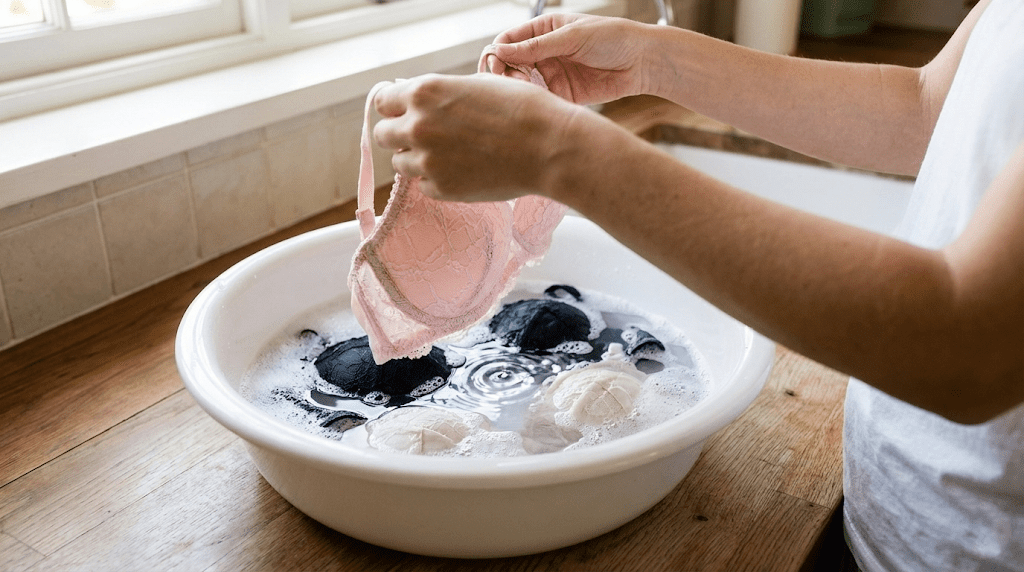
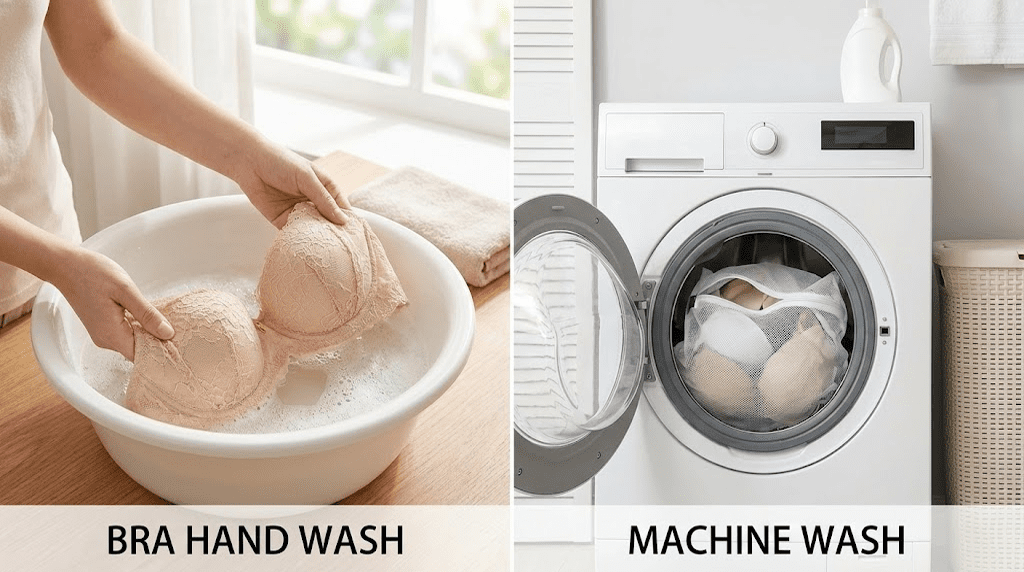
Hand washing isn’t glamorous, but it is the best way to wash bras for longevity. You get more control, less friction, and far less damage to delicate fabrics.
Step-by-Step Hand Washing Process
- Prepare: Fill a basin with cool or lukewarm water.
- Add Soap: Add a small amount of gentle detergent made for delicates.
- Soak: Place the bra in the water and let it soak for 10–15 minutes.
- Agitate: Gently press the water through the cups and band. Don’t twist or wring.
- Rinse: Rinse with cool water until all detergent is gone.
- Extract Water: Press the water out by laying the bra on a towel and rolling it up.
- Shape: Reshape the cups with your hands before drying.
Best Detergents for Bras
Look for detergents meant for delicate fabrics, something mild, low-foam, and free of bleach. Brands like Soak, The Laundress, or even a gentle baby detergent work well. They protect elastic and don’t leave residue behind.
Proper Drying Techniques
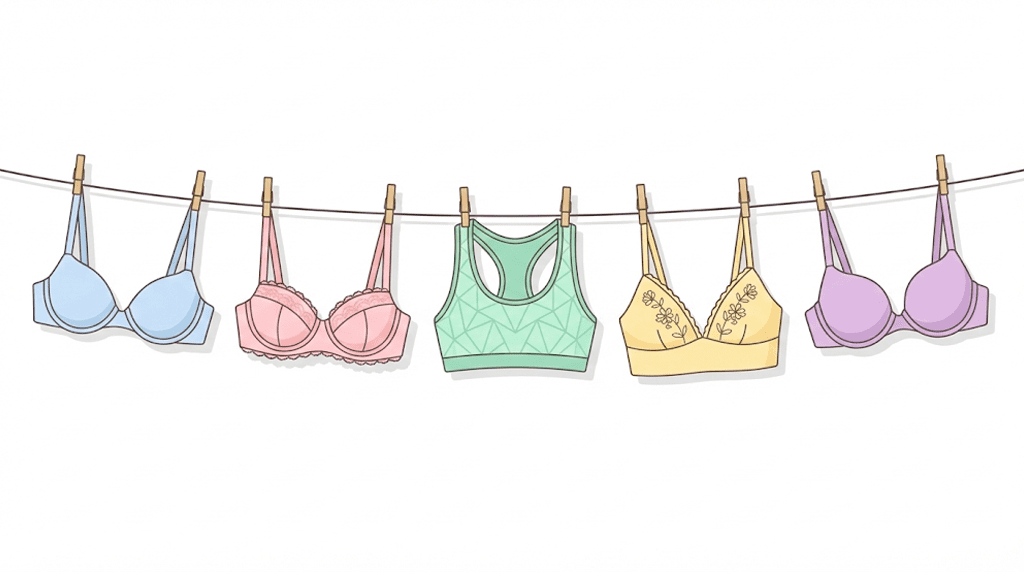
Heat is a bra’s enemy. Air-drying is the only safe option. Lay bras flat on a towel or hang them from the center of the band, not the straps. Hanging by the straps makes them stretch out over time. Avoid sunlight and never use a dryer, both weaken fibers quickly.
Machine-Washing Bras
Sometimes, hand washing isn’t realistic. Machine washing is fine if you do it right. You just need to reduce friction and movement.
Using a Lingerie Bag
This is non-negotiable. A mesh lingerie bag keeps hooks from snagging and keeps the cup shape from getting crushed. It also prevents clothes with zippers from damaging lace or mesh.
Recommended Machine Settings
- Cycle: Use the gentle or delicate cycle.
- Temperature: Always use cold water.
- Chemicals: Avoid fabric softeners. Softener coats the elastic and breaks it down over time.
If your machine has a “hand wash” setting, that’s even better. Always reshape the cups afterward and air-dry.
Washing Different Bra Types
Different bras need slightly different care. Treating them the same makes some last longer than others, and not in a good way.
Sports Bras
Sports bras handle sweat and movement, so they need more frequent washing. Cold water, gentle detergent, and air-drying are the basics. Avoid softeners because they trap odor inside synthetic fibers.
Padded Bras
Foam cups can crease easily. Never wring or fold them when wet. If machine-washed, always use a lingerie bag and reshape the cups right after rinsing to avoid permanent dents.
Underwire Bras
Underwires rust, bend, or poke out if washed carelessly. Hand washing is ideal. If using a machine, use cold water, a lingerie bag, and avoid squeezing the wire area during drying.
Lace Bras (and Expensive Lingerie)
Lace is delicate and prone to snagging. To wash expensive lingerie safely, always hand-wash. If you must machine wash, keep it in a tightly woven lingerie bag and avoid washing with anything rough like jeans or towels.
What NOT to Do When Washing Bras
It’s easy to damage a bra without realizing it. To keep your quality, avoid these common mistakes:
- No Hot Water: Heat destroys elastic fibers.
- No Dryers: The tumbling and heat will warp the cups.
- No Bleach: Even in small amounts, it weakens fabric immediately.
- No Twisting: Squeezing water out by twisting distorts the underwire.
- No Ironing: Never iron a bra; it will melt the synthetic blends.
How to Store Bras Properly
Storing bras the right way keeps them in shape longer. Padded or molded bras should be stacked, not folded into themselves. Folding one cup inside the other creates dents that never fully go away.
Soft-cup bras and bralettes can be folded gently, but avoid crushing them under heavier clothes. A simple drawer organizer helps a lot it keeps everything in place and makes it easier to grab the right bra quickly.
How should I wash an expensive lingerie set?
Use cool water, a mild detergent, and hand wash. Expensive fabrics react badly to heat and rough handling, so gentle cleaning keeps the shape and color intact.
Is hand washing really better than machine washing?
Most of the time, yes. Hand washing puts far less stress on elastic and lace, which makes bras last longer.
Is it safe to machine wash bras?
Yes, you can machine wash bras if you are pressed for time, but you must take precautions to keep their quality. Always use a mesh lingerie bag to prevent snagging, select the delicate cycle with cold water, and use a mild detergent. Never put bras in the dryer; always lay them flat to dry.
Signs your laundry detergent is ruining your bras!
If it feels strong on your skin or has bleach, brighteners, or strong perfume, it’s probably too harsh for bras.
Why do bras lose their elasticity?
Usually from heat, rough washing, squeezing, or drying the wrong way. Elastic wears down quickly when it’s treated harshly.