Introduction
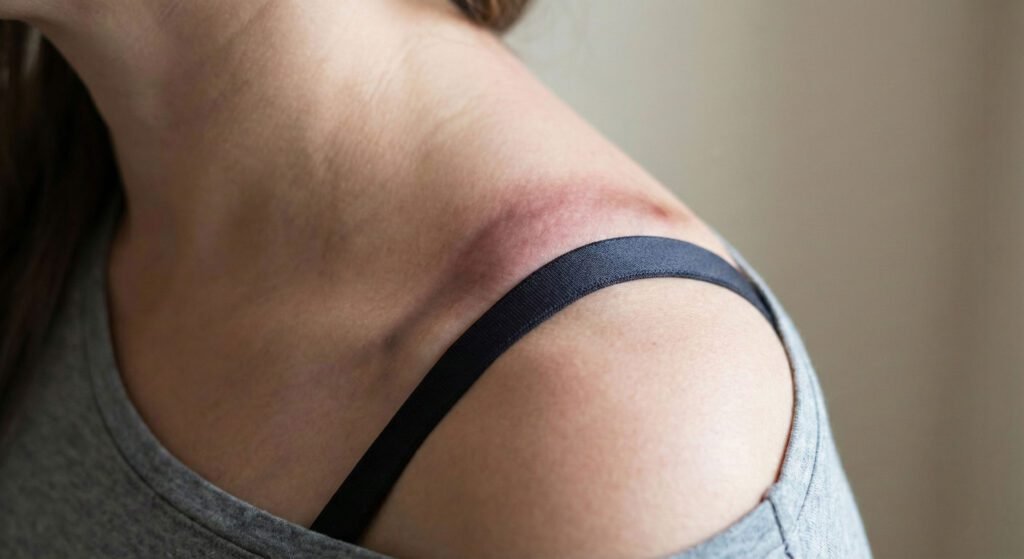
Did you know that nearly 80% of women are wearing the wrong bra size? That’s right—most of us go through our days unaware that our daily discomfort, posture problems, or even neck pain might trace back to an ill-fitting bra. Finding the perfect bra size isn’t vanity—it’s essential for your comfort, confidence, and health.
The problem often lies in how we shop. We stick to the same size for years, rely on inconsistent brand measurements, or guess based on appearance. But your body changes over time—weight fluctuations, hormonal changes, pregnancy, and aging all affect your breast shape and size.In this article, we’ll break down seven clear signs that you’re wearing the wrong bra size and explain how to fix each one. Whether your straps dig in or your band creeps up your back, you’ll soon know exactly what to look for and how to achieve a perfect, supportive fit.
Why Most Women Wear the Wrong Size
Most women wear the wrong bra size because they’ve never been professionally fitted or were fitted once, years ago. Brands vary widely in how they size their bras, and many people assume that cup size alone determines fit. But band size, cup volume, and breast shape all play critical roles in how supportive your bra feels.
Additionally, our bodies naturally change over time. Weight gain or loss, hormonal fluctuations, and pregnancy can all alter bust size. Yet most women continue wearing bras purchased years earlier. Combine that with inconsistent sizing across stores and online brands, and it’s no surprise that so many women end up in incorrect bra sizes.
Regular fittings every 6 to 12 months can help ensure your bra still provides proper support. A good fit should feel snug but comfortable, supportive without digging in, and keep everything in place throughout the day.
Sign #1 – Your Band Rides Up Your Back (Wrong Bra Size Warning)
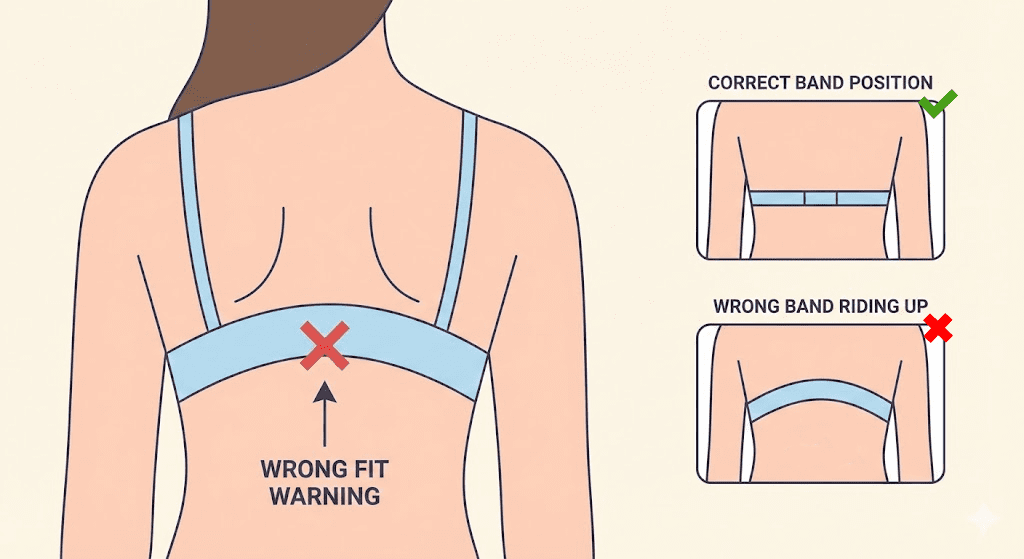
What It Means & Why It Happens: If your bra band rides up your back, it’s a clear sign of an ill-fitting bra. The band should stay straight and parallel to the ground. When it shifts upward, it usually means the band is too loose. Over time, elastic stretches from regular washing and wearing, and a loose band forces your straps to carry more weight—leading to even more bra fit problems and discomfort.
How to Fix It: Try going down one band size and adjusting your cup size accordingly (for example: 36C → 34D). Always start a new bra on the loosest hook so it can naturally stretch over time while still giving proper support.
Sign #2 – Straps Dig Into Your Shoulders
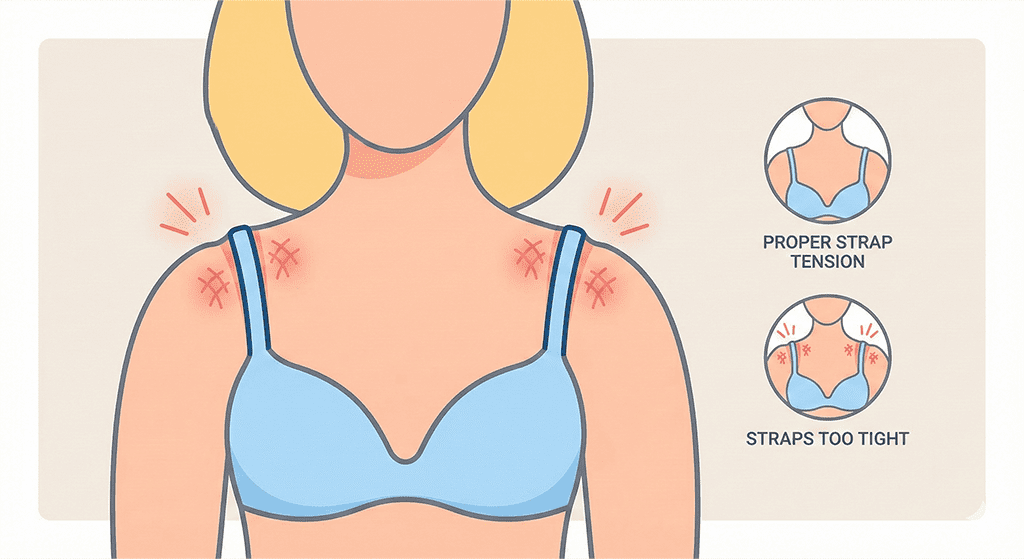
What It Means & Why It Happens: Deep strap marks or shoulder grooves mean the straps are doing more work than they should. In a properly fitting bra, the band provides around 80% of the support, while straps support only 20%. If the band is loose, your straps pull harder, which can lead to shoulder pain, neck tension, and long-term discomfort.
How to Fix It: Loosen your straps slightly and ensure the band fits firmly and securely. If adjusting the band doesn’t help, try bras with wider or cushioned straps for better weight distribution.
Sign #3 – Cup Spillage or Gaping
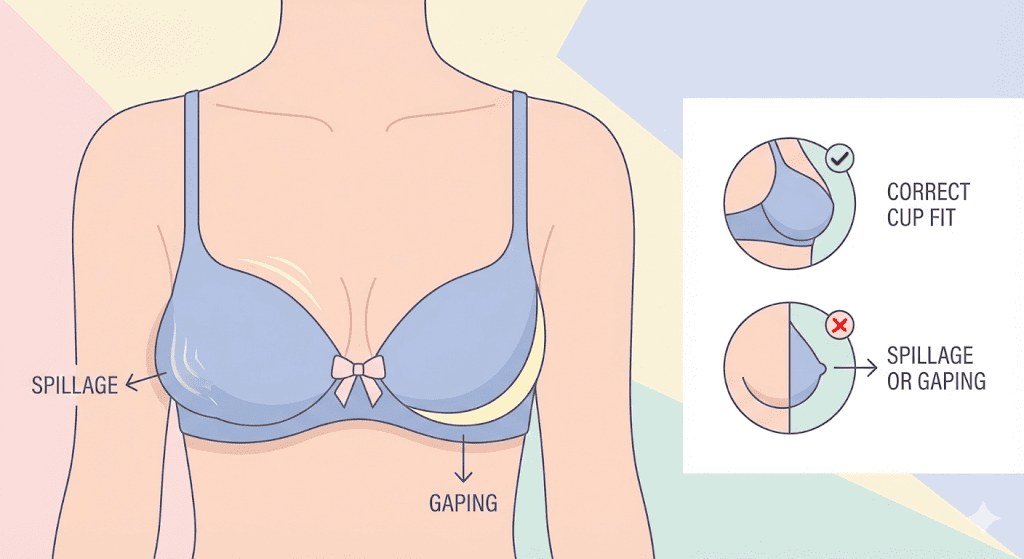
What It Means & Why It Happens: Cup spillage happens when breast tissue overflows the cup, creating bulges under clothing. Gaping occurs when there’s extra space inside the cup. Both indicate an incorrect bra size or a cup shape that doesn’t match your breast shape. Full-coverage, balconette, and plunge bras all fit differently depending on your natural shape.
How to Fix It: If you’re spilling out, go up one cup size. If your cups gape, try a smaller cup or switch to a bra style that better matches your breast shape.
Sign #4 – Center Gore Doesn’t Lay Flat
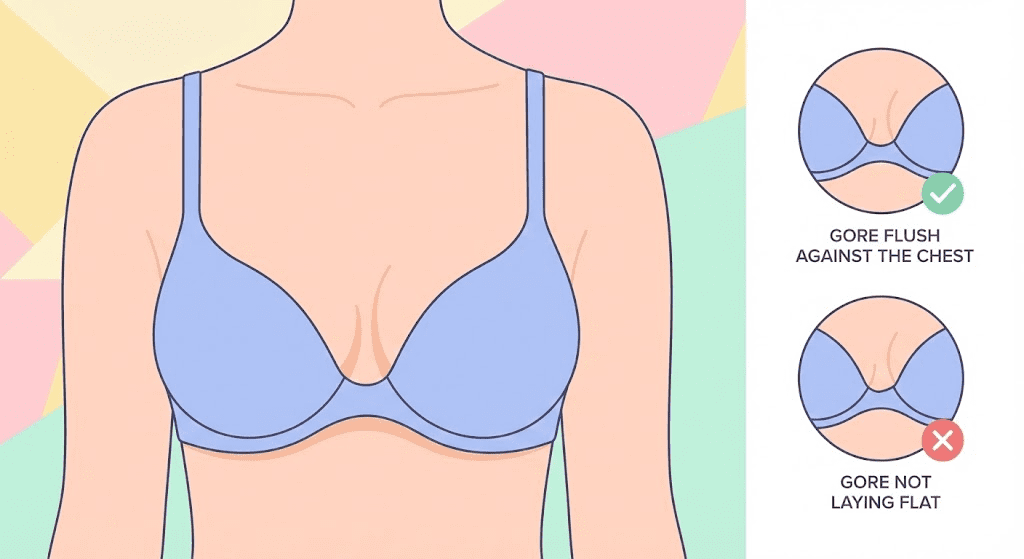
What It Means & Why It Happens: The center gore the small panel between the cups should sit flat against your chest. If it lifts away, it usually means the cups are too small or the band is too loose. With underwire bras, the wire should sit snugly against your ribcage without lifting.
How to Fix It: Try going up a cup size or choosing a slightly smaller band size for better anchoring. A proper fit will allow the center gore to rest comfortably against your sternum.
Sign #5 – Breast or Back Pain
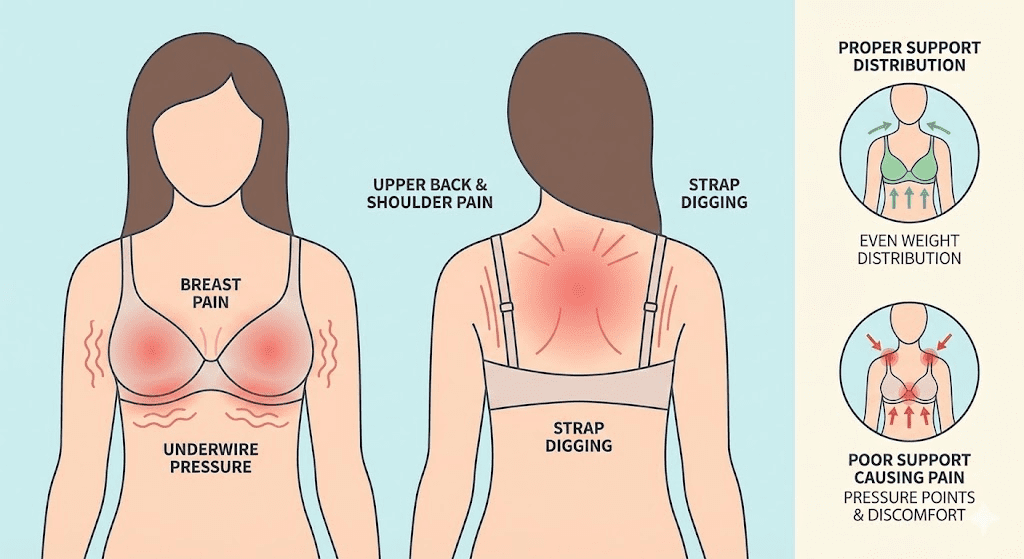
What It Means & Why It Happens: Breast, shoulder, or back pain often comes from wearing the wrong bra size. A loose band shifts weight to your shoulders, while too-tight cups compress breast tissue and restrict movement. Over time, these issues lead to posture problems and daily discomfort.
How to Fix It: Look for bras with supportive side panels, firm underbands, or racerback designs that help distribute weight evenly. Rotating between several bras also helps maintain elasticity and long-term support.
Sign #6 – Constant Adjusting Throughout the Day
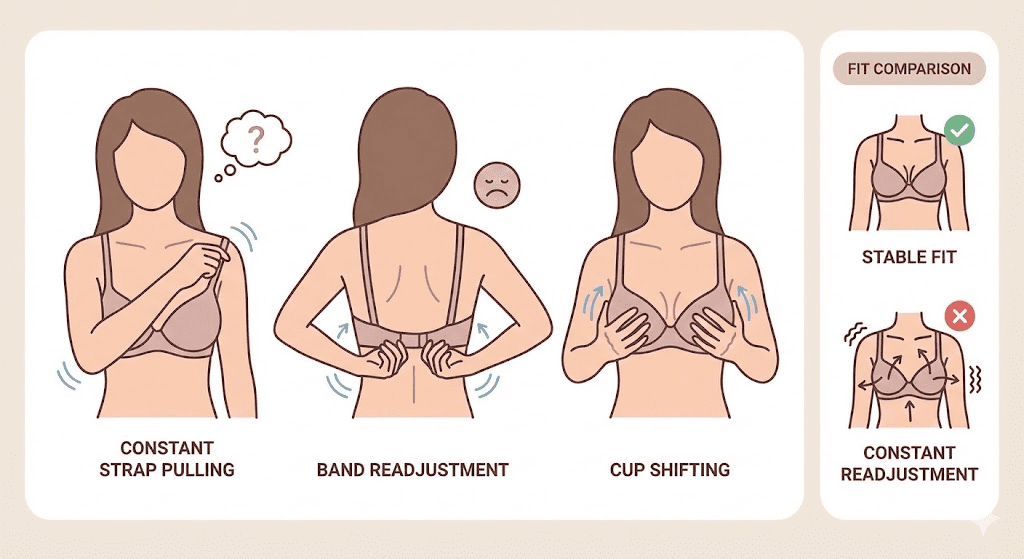
What It Means & Why It Happens: If you constantly pull up your straps, smooth your cups, or reposition your band, your bra simply doesn’t fit. A proper-fitting bra stays in place throughout the day without needing constant adjustment.
How to Fix It: Tighten the band or adjust the straps evenly. If that doesn’t solve the issue, it’s likely time for a new size—or a different bra style that matches your body better.
Sign #7 – Red Marks or Indentations
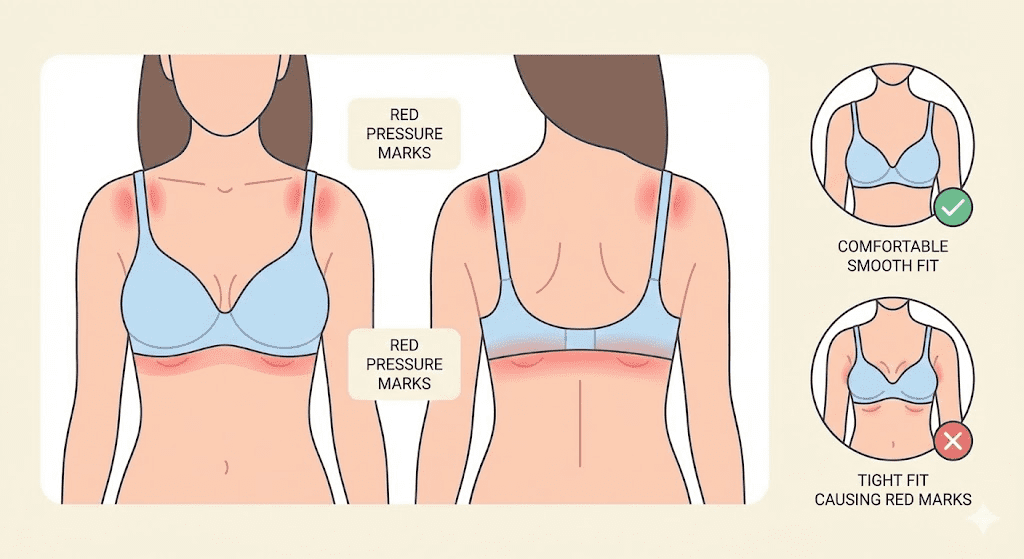
What It Means & Why It Happens: Red marks or deep indentations on your ribcage or shoulders mean your bra is too tight. This can cause irritation, reduced circulation, and long-lasting discomfort. Tight bras often indicate choosing the wrong band size or materials that don’t suit your skin.
How to Fix It: Go up a band size or choose bras made with softer fabrics and wider bands. A comfortable fit should support you securely without leaving marks after you take it off.
How to Find Your Correct Size
Finding your perfect fit starts with accurate measurements:
- Measure Your Band: Wrap a tape snugly around your ribcage, just under your bust.
- Measure Your Bust: Wrap the tape loosely around the fullest part of your chest.
- Calculate: Subtract the band measurement from the bust measurement—each inch difference equals one cup size.
👉 Try our Bra Size Calculator to find your perfect match and explore bras designed for your shape and comfort.
FAQs
Q1. How often should I get remeasured?
Every 6 to 12 months, or after major weight or hormonal changes.
Q2. Can different brands have different fits?
Yes! Sizing varies widely, so always try on multiple styles and brands.
Q3. How long should a bra last?
With proper care, 6–12 months. Rotate bras to preserve elasticity.
Q4. Should my band feel tight at first?
Yes, slightly snug but not uncomfortable—it will stretch over time.
Q5. What’s the best way to wash bras?
Hand wash in cold water and air dry to protect the elastic and shape.
Q6. How do I know if I have the right fit?
Your band stays in place, cups lay smooth, and the center gore sits flat.
Q7. Does wearing the wrong bra size affect our health?
Yes, the wrong bra size can affect your health,you can read more here.
Conclusion
A properly fitted bra transforms more than just your appearance it enhances comfort, posture, and confidence. Remember, if your bra causes pain, slips, or rides up, these are often signs you’re wearing the wrong bra size, and it’s the right time to reassess your fit.
Re-measure regularly, invest in quality bras, and don’t hesitate to try new brands until you find your perfect fit. Your body deserves support that feels as good as it looks, and correcting the wrong bra size is the simplest way to achieve that comfort.